
Hay fever season can be difficult for many employees, especially when pollen levels are high across spring and summer. For businesses in Northampton and across the Midlands, this can be even more noticeable thanks to our mix of parks, fields, woodland, farmland and large green spaces.
While you cannot control the pollen count outside, you can take steps to improve the air quality inside your workplace. A cleaner office can make a real difference to employee comfort, productivity and wellbeing during hay fever season.
Why Hay Fever Matters in the Workplace
Hay fever is not just a mild inconvenience for everyone. For some employees, it can mean itchy eyes, sneezing, headaches, tiredness, blocked sinuses and poor concentration.
In an office environment, pollen can enter through open windows, doors, clothing, footwear, bags and ventilation systems. Once inside, it can settle on desks, carpets, upholstery, blinds, shelves and communal surfaces.
If these areas are not cleaned regularly, pollen and dust can build up, making symptoms worse for people who are sensitive to allergens.
How Office Cleaning Can Help Reduce Pollen Build-Up
Good office cleaning plays an important role in creating a healthier indoor environment during hay fever season.
Regular cleaning helps remove pollen, dust and other airborne particles from the surfaces employees use every day. This includes desks, keyboards, chairs, meeting rooms, reception areas, break rooms and shared touchpoints.
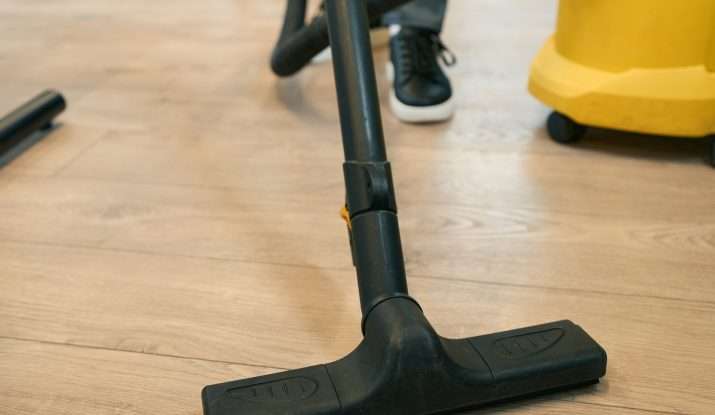
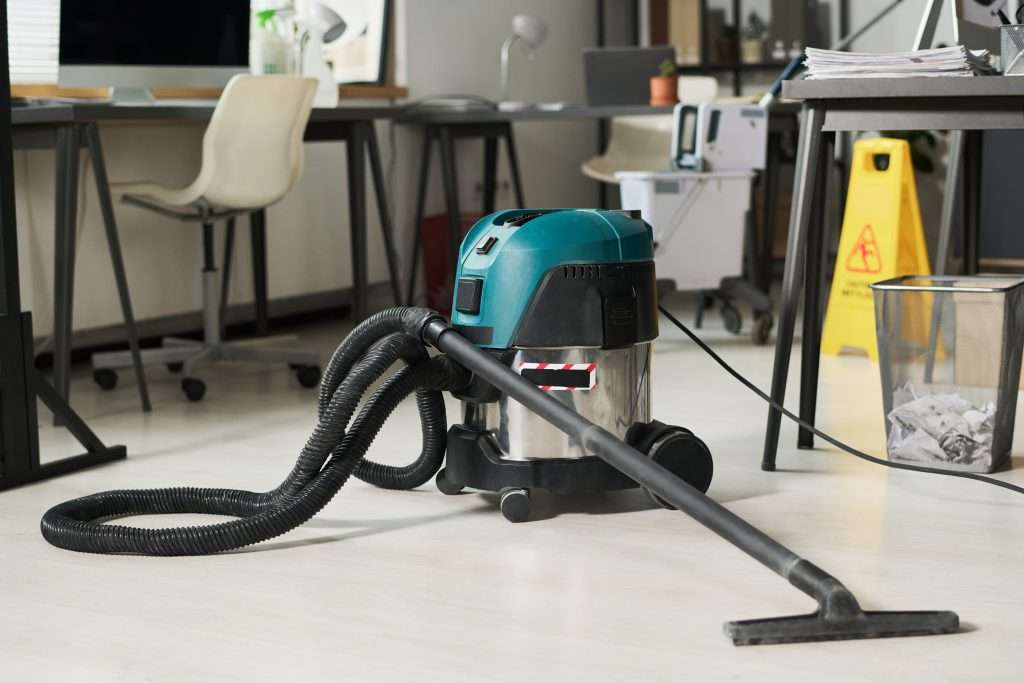
Floors are especially important. Pollen can easily be walked into the building and trapped in carpets, mats and hard flooring. Regular vacuuming with suitable filtration, along with proper floor cleaning, can help reduce the amount of pollen being circulated around the office.
Soft furnishings also need attention. Fabric chairs, sofas, curtains and blinds can all hold onto pollen and dust. These areas are often overlooked, but they can have a real impact on indoor air quality.
The Link Between Cleanliness and Employee Wellbeing
A cleaner office is not just about appearance. It can help create a more comfortable working environment, especially for employees who struggle with hay fever or allergies during spring and summer.
The NHS advises that when pollen counts are high, regular vacuuming and damp dusting can help reduce pollen indoors. Allergy UK also recommends that workplaces are kept clean and tidy, with regular vacuuming, damp dusting and good ventilation where possible.
During hay fever season, this can make a real difference. Pollen, dust and other allergens can settle on desks, carpets, chairs, blinds and shared surfaces, particularly in busy offices with regular footfall. Keeping these areas clean can help reduce irritation for employees and support a fresher, more pleasant place to work.
It also shows staff that their wellbeing is being taken seriously. Small changes, such as increasing cleaning during high pollen periods, paying closer attention to soft furnishings and keeping workspaces clear, can help the office feel more considered, better managed and more comfortable for everyone.
Areas to Focus On During Hay Fever Season
To help reduce pollen and allergens in the office, businesses should pay close attention to:
- Entrance mats and reception flooring
- Carpets and rugs
- Desks, screens and keyboards
- Window sills and blind
- Meeting rooms and shared workspaces
- Breakout areas and kitchens
- Upholstered seating
- Air vents and high-touch surfaces
These areas collect dust and pollen quickly, especially in busy workplaces with regular footfall.
Simple Steps Employers Can Take
Alongside a regular office cleaning schedule, employers can also make small changes to help improve indoor air quality.
Keep windows closed during high pollen periods where possible, especially early in the morning and later in the evening. Encourage employees to keep desks clear so surfaces can be cleaned properly. Make sure bins are emptied regularly, floors are cleaned often, and shared spaces are not allowed to gather dust.
For larger offices, commercial buildings or workplaces with high footfall, it may be worth increasing cleaning frequency during peak hay fever months.
Supporting Offices Across Northampton and the Midlands
With Northampton and the wider Midlands surrounded by parks, countryside, business estates and green spaces, pollen can easily become part of day-to-day office life during spring and summer.
Professional office cleaning can help reduce the impact inside your workplace, creating a cleaner, fresher and more comfortable space for employees, visitors and clients.
If your team struggles during hay fever season, now is a good time to review your cleaning schedule and make sure your office is ready for the months ahead.