
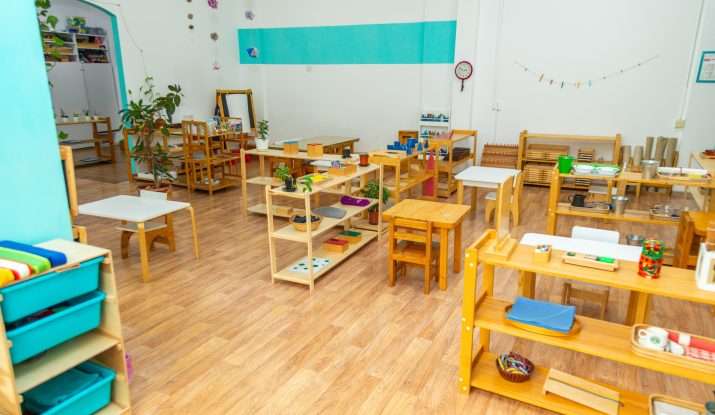
Choosing a cleaning contractor for a school or nursery is about more than finding someone who can keep classrooms, toilets and communal areas clean. Education and early years settings have additional responsibilities around safeguarding, security and hygiene. Your cleaners may be working on site every day, accessing classrooms and staff areas, or arriving while pupils and children are still present.
That means it is important to choose a cleaning company that understands how education environments operate and can fit safely around your staff, children and timetable.
Things To Check/Ask When Hiring A Cleaning Contractor For Young Education Facilities
Start With the Right DBS Checks
DBS checks should be one of the first things you discuss with any cleaning contractor working in a school, preschool or nursery.
However, it is not simply a case of asking whether somebody is “DBS checked”. The appropriate level of check depends on the work they will carry out and the level of contact they may have with children.
Current Department for Education safeguarding guidance states that schools and colleges should ensure contractors working on site have been subject to the appropriate level of DBS check. Contractors carrying out regulated activity with children require an Enhanced DBS check including children’s barred-list information. Other contractors who have the opportunity for regular contact with children will generally require an Enhanced DBS check without barred-list information.
For schools and nurseries, the important thing is to establish this before the contract starts rather than treating it as an afterthought.
At Clean4Shaw, our education cleaning services are provided by DBS-checked cleaning teams who understand the additional care required when working in learning and childcare environments.
Safeguarding Should Be Part of the Cleaning Contract
Safeguarding does not stop with teaching and childcare staff. Anyone regularly working within an education setting needs to understand the boundaries and procedures that apply while they are on site.
Department for Education guidance says schools and colleges should set out their safeguarding requirements when agreeing contracts with external contractors. It also states that contractors without the appropriate checks should not be allowed to work unsupervised or carry out regulated activity with children.
A good cleaning contractor should therefore be prepared to work within your existing safeguarding procedures.
That could include signing in and out correctly, wearing identification, following rules around restricted areas, understanding who to report a concern to and making sure replacement cleaners have been properly vetted before arriving on site.
It is worth asking how a cleaning company manages this in practice. Safeguarding should be part of the day-to-day service, not simply a box ticked when the contract begins.
Make Sure the Cleaning Schedule Fits Around Your Setting
Schools are unlike most commercial premises because the working year changes significantly between term time and school holidays.
During term time, cleaning usually needs to take place before pupils arrive or once lessons have finished. The cleaning team may only have a limited window in which to complete classrooms, corridors, toilets, staffrooms and communal areas before the building is needed again.
School holidays create an opportunity for more detailed work. Deep cleaning, carpet cleaning, floor treatments, internal window cleaning and other periodic jobs can often be completed much more efficiently while buildings are quieter.
Nurseries can be different. Many operate throughout much of the year, so there may not be a six-week summer break available for large cleaning projects. Cleaning may instead need to be planned around evenings, weekends, closure days and quieter periods.
A cleaning contractor should understand these differences and build the schedule around your setting rather than trying to fit you into a standard commercial cleaning timetable.
Look for Experience in Education Environments
Cleaning a school or nursery is very different to cleaning a standard office.
A primary school may have busy classrooms, dining areas, sports spaces, cloakrooms and toilets to maintain. Secondary schools can add science laboratories, IT suites, changing rooms and large communal spaces.
Nurseries have their own requirements. Toys, play equipment, tables, floors, washrooms, food preparation spaces and nappy-changing areas all need careful attention. Young children also spend much more time playing directly on floors and touching shared surfaces.
This is why relevant experience matters. Your contractor should understand which areas need the most attention and how the cleaning plan needs to change depending on the age of the children, the layout of the site and the amount of daily footfall.
Clean4Shaw already provides specialist cleaning services for nurseries, primary schools, secondary schools, colleges and private schools, with cleaning plans adapted to each type of education environment.
Be Clear About What Is Included
One of the easiest ways for a cleaning contract to fall short is for the scope of work to be unclear.
Before appointing a contractor, agree exactly which rooms and tasks are included, how frequently each area will be cleaned and which jobs are treated as periodic or additional work.
Your cleaning specification might cover:
- Classrooms, playrooms and teaching spaces
- Corridors, entrances and communal areas
- Toilets, washrooms and changing facilities
- Staffrooms, offices and reception areas
- Canteens and food preparation areas
- High-touch surfaces such as handles, tables and switches
- Floors and carpets
- Toys and play equipment in early years settings
- Nappy-changing areas
- Waste removal
- Periodic deep cleaning during holidays or closure periods
Having this agreed from the start gives both sides a clear standard to work towards and makes it much easier to monitor the service over time.
Ask How Standards Are Monitored
A good first week is not enough. What matters with contract cleaning is maintaining the same standard throughout the school year.
Ask prospective contractors how cleaning quality is monitored, whether site inspections or audits are carried out and who you should contact if something needs attention.
You should also find out what happens when a regular cleaner is absent. Schools and nurseries still need to be cleaned during staff sickness and holidays, so reliable cover is essential.
Good communication makes a significant difference here. You should know who your main point of contact is and feel confident that problems can be addressed quickly without creating another job for your school or nursery team.
Questions to Ask Before Choosing Your Cleaning Contractor
Before making a decision, ask about DBS checks, safeguarding procedures, experience in education settings, cleaning schedules, holiday deep cleans, sickness cover, quality inspections, insurance and exactly what is included within the quoted price.
Price matters, but it should not be the only consideration. A cheaper contract can quickly become poor value if standards are inconsistent, staff regularly change or your team has to spend time chasing unfinished cleaning.
The right cleaning contractor should make the running of your school or nursery easier, not add another thing for you to manage.
At Clean4Shaw, we provide tailored cleaning services for schools, nurseries and other education facilities across Northamptonshire and the surrounding counties. Our DBS-checked teams can work around lessons, opening hours, term dates and school holidays to keep disruption to a minimum.
If you are reviewing your current cleaning contract or looking for a new cleaning company for your school or nursery, get in touch with the Clean4Shaw team for a free, no-obligation quote.